Dental Infection Control Awareness Month (DICAM) is wrapping up, and this year’s theme from the Association for Dental Safety, “Safety Starts with Every Step,” is worth revisiting now that the month is nearly behind us rather than filing away with the rest of September’s content. It’s easy to treat infection control as a handful of fixed things: the autoclave, the OSHA binder, the annual training session, all of it checked off and set aside until next year’s awareness month rolls around. The theme was always pointing somewhere else, toward infection control as a chain of small decisions repeated dozens of times a day, on every operatory, with every patient, a chain that doesn’t pause just because the calendar turns to October.
Over the course of the month, we used this space to make two related cases. Our first Infection Control Month piece opened by asking what it actually takes for infection control to hold up when nobody’s watching, and our ongoing “Documentation Gap” series follows that thread through the paperwork: why practices doing the work still get cited, what that gap actually costs, and why the fix is a digital system rather than a better binder. Together, those pieces covered one half of the picture: proving the work happened. DICAM’s theme is a reminder of the half we hadn’t addressed head-on: whether the work itself, step by step, actually holds up. An audit asks, “can you produce the documentation?” DICAM’s framing asks something closer to, “if I watched every step right now, would it hold up?” Those aren’t the same question, and for a lot of practices, even well-documented ones, the honest answer to the second one is less certain than the paperwork suggests.
Where the Chain Actually Breaks
Infection control failures in dental settings are almost never caused by a practice that doesn’t own the right equipment or doesn’t know the rules. They’re caused by a step that got skipped, shortened, or done out of order on an ordinary Tuesday: a spore test that ran late, a surface wiped once instead of per protocol, a new hire shown the tray setup but never walked through the full instrument reprocessing sequence start to finish. The equipment and the policy exist. The step-by-step discipline is where it erodes.
A Program Isn't a Fixed Asset
Most practices treat their infection control program the way they treat a fire extinguisher: present, inspected, technically compliant, and otherwise invisible until something goes wrong. But infection control isn’t a static asset. It’s a live process running continuously across sterilization, PPE, surface disinfection, waterline maintenance, sharps handling, and staff training, and every one of those processes drifts a little without regular attention. A protocol that was airtight eighteen months ago has almost certainly accumulated small deviations since: a team member who learned “close enough,” a product substitution nobody re-validated, a step that quietly became optional once the schedule got busy.
Consistency Gets Harder at Scale
For a solo practice, checking the chain might mean one afternoon of direct observation. For a DSO managing several locations, it’s a genuinely different exercise, because the risk usually isn’t that any single office has a bad protocol. It’s that protocols drift apart across locations in ways nobody notices until an inspector, a lawsuit, or a bad outcome forces a comparison. The office run by your most meticulous clinical lead and the office that’s been short-staffed for two months aren’t executing the same chain of steps today, even if they’re working from the same written manual. Standardization on paper and standardization in practice are two different projects, and only one of them protects a patient.
Auditing the Steps, Not Just the Shelf
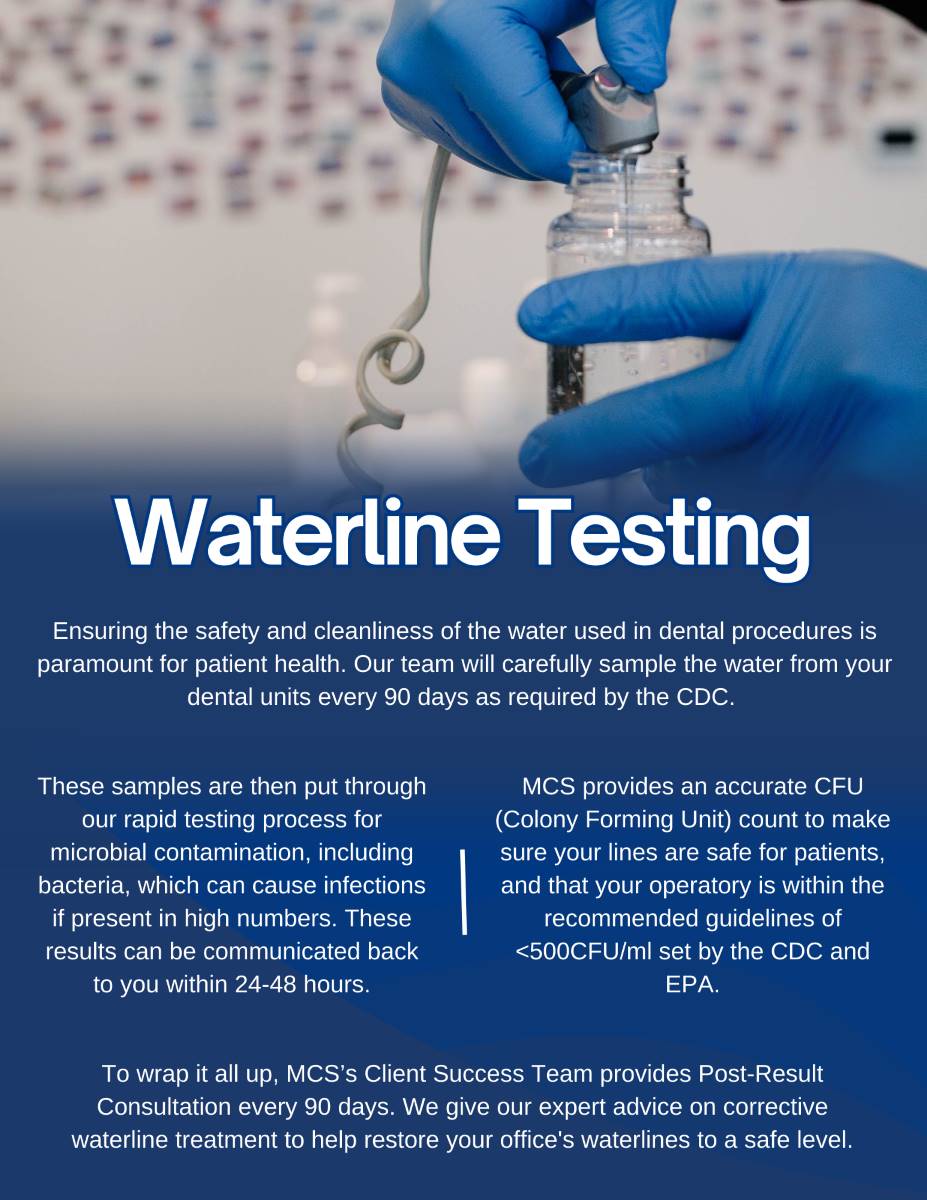
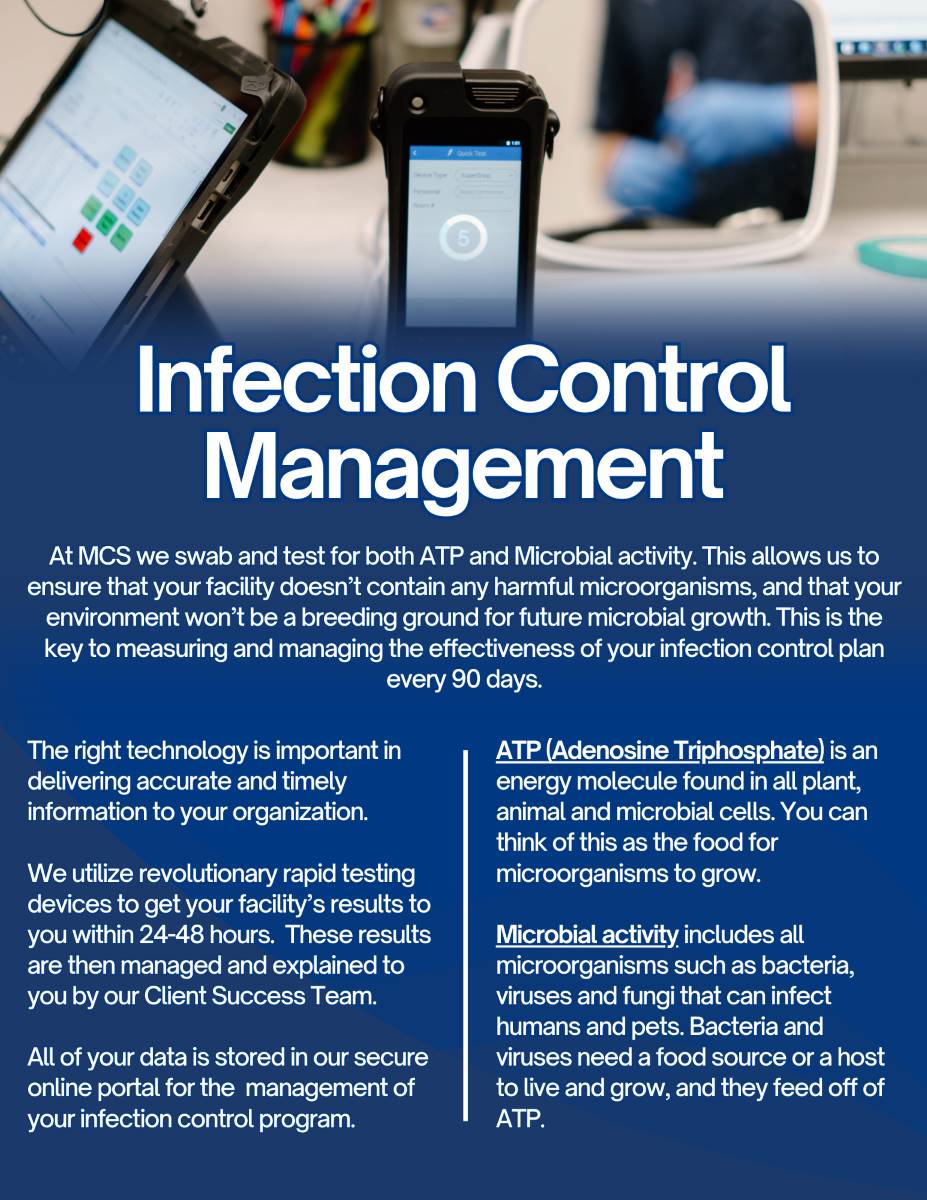
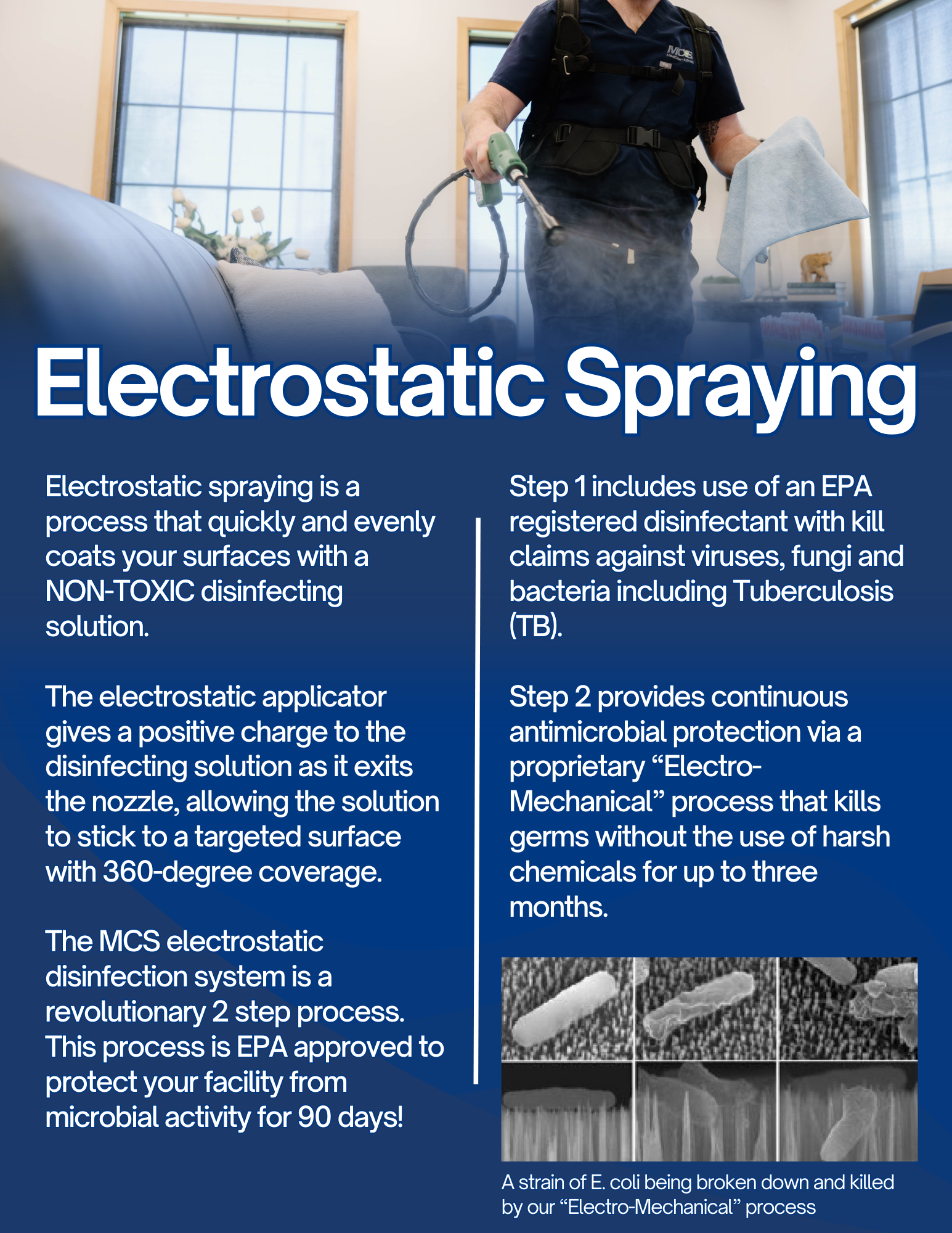
This is where an awareness month can do more than raise awareness. Used well, it’s a natural, low-friction prompt to run a real observation, not a documentation review, but a direct look at sterilization, PPE donning and doffing, surface disinfection between patients, and waterline testing, measured against both the written protocol and against every other location. The gaps that turn up are rarely dramatic. They’re usually small, boring, and exactly the kind of thing that gets missed when the same team reviews the same process the same way every time.
Two Halves of the Same Program
Consistency like this is hard to sustain purely from within, especially for busy DSOs where clinical staff are already stretched thin and infection control competes for attention with patient care. It’s part of why a growing number of practices bring in dedicated outside expertise, whether a consultant, a specialized service, or a partner like MCS, to observe the chain on a recurring basis and catch drift before it becomes a pattern, the same way a strong documentation system catches a lapsed record before it becomes a citation.
Between this piece and our Documentation Gap series, the picture comes together: whether the work would hold up if someone watched it happen, and whether you could prove it happened if someone asked to see it afterward. Neither half is optional on its own. A practice that executes every step perfectly but can’t produce the record is still exposed. A practice with flawless paperwork built on a chain nobody’s actually followed in months is exposed in a different, and arguably more serious, way.
The Other Eleven Months
That’s really what an awareness month is for: not a reason to tighten up for four weeks, but a prompt to notice where the chain, the paperwork, or both, have quietly drifted, and to fix it before an inspector, a lawsuit, or a bad outcome does it for you. October doesn’t lower the bar. Neither does November, or next August. If DICAM gave your practice a reason to look closely this year, the practices worth emulating are the ones that don’t wait for next September to look again.
Whether that means a real, direct-observation walkthrough of your own protocols, a second look at your documentation across every regulatory track, or bringing in outside eyes to check both at once, the right time to start is now, while the momentum from this month is still fresh, not next fall when the next awareness campaign reminds you again. Reach out to a compliance documentation specialist or infection prevention partner for a complimentary assessment of where your program actually stands, on paper and on the floor, and what it would take to keep it there for the next eleven months.
Safety starts with every step. The goal was never to take them perfectly this September. It’s to still be taking them, the same way, next August.
About MCS
MCS is a leader in infection control solutions, dedicated to helping healthcare environments create safer spaces for patients and staff. With a focus on evidence-based products, proven protocols, and hands-on expertise, MCS provides practical solutions that ensure regulatory compliance while reducing the risks of healthcare-associated infections. The company partners with practices to simplify infection control and deliver peace of mind. Explore how to upgrade your infection control strategy today. Contact MCS at info@mcsteams.com.