A Colorado TV station recently ran an investigation that every dental practice owner should take a minute to read. Not because it’s shocking, but because it confirms something a lot of us in the industry have quietly known for years.
Two Practices, Nine Violations Each
KRDO13’s story focused on Dr. Bryce Jay Nielson of Premier Dental in Colorado Springs who was placed on 12 months’ probation after a surprise inspection, triggered by a patient complaint, turned up nine separate infection-control deficiencies. Inconsistent spore testing. Improperly sterilized endodontic sponges. A lab lathe wheel that wasn’t sterilized between uses. Missing waterline testing logs. Expired materials sitting in treatment rooms. If you’ve ever been an infection control officer, you probably winced reading that list. And here’s the thing: just two weeks earlier, another local dentist had their license suspended after a separate complaint-driven inspection found, you guessed it, nine infection-control problems.
Two different practices. Two different dentists. The same number of findings. That’s not a coincidence. That’s a pattern.
The Real Story: Nobody’s Checking
But the violations aren’t really the headline. The headline is what the state’s regulatory agency said when reporters asked how often these inspections happen. The short answer? They basically don’t, unless someone complains first. Colorado doesn’t license or routinely inspect dental offices as facilities. It licenses individual dentists, and the dental board can only order an inspection in response to a complaint. Over five years, the state received 142 complaints about infection-control failures, and more than half ended in some kind of discipline or corrective action. One dentist, looking back on his own case, told reporters that most practices would turn up similar findings “if they investigate heavily enough.”
Let that sink in for a second. It’s not a knock on dentistry. The vast majority of practices are run by conscientious clinicians doing their best with limited time and imperfect systems. What that quote does is name the real source of risk. Practices aren’t reckless. There’s just very little routine, structured verification going on. Sterilizer logs get filled out inconsistently during a busy week. A new hire’s OSHA bloodborne pathogen training never gets documented. Waterline testing slips a quarter. Nobody means for it to happen, and nobody catches it until a complaint, a lawsuit, or a board inspector shows up asking for records that don’t exist.
Colorado Isn’t the Exception. It’s the Rule.
And Colorado isn’t some outlier. It’s pretty much the norm. Most state dental boards work the same way: they’re complaint-driven, they license dentists rather than facilities, and there’s no routine audit cycle. Unless your state adds Medicare conditions of participation or formal OSHA facility inspections on top of board oversight, the real answer to “who’s checking our infection control compliance?” is, for most practices, nobody. At least not until something goes wrong.
Change Is Coming
That’s starting to change, but slowly and unevenly. Maryland lawmakers passed a bill this year that would let the state’s dental board conduct unannounced inspections specifically for infection control, with a proposed effective date of October 1, 2026. Whether it becomes law, and how quickly other states follow, is still up in the air. But if you’re running a practice or DSO today, that uncertainty points in one direction. The standard to hold yourself to isn’t what your state requires right now. It’s what your state might require next. So the smart move is to build good documentation habits now instead of waiting to see which legislature moves first.
What Audit-Ready Actually Looks Like
Here’s the thing: a compliance program that only kicks in after a complaint isn’t really a program. It’s a reaction. The practices that sail through a surprise inspection aren’t just lucky. They treat infection control as an everyday habit, with documentation that’s already there before anyone asks for it.
In practice, it usually comes down to a handful of things inspectors almost always want to see:
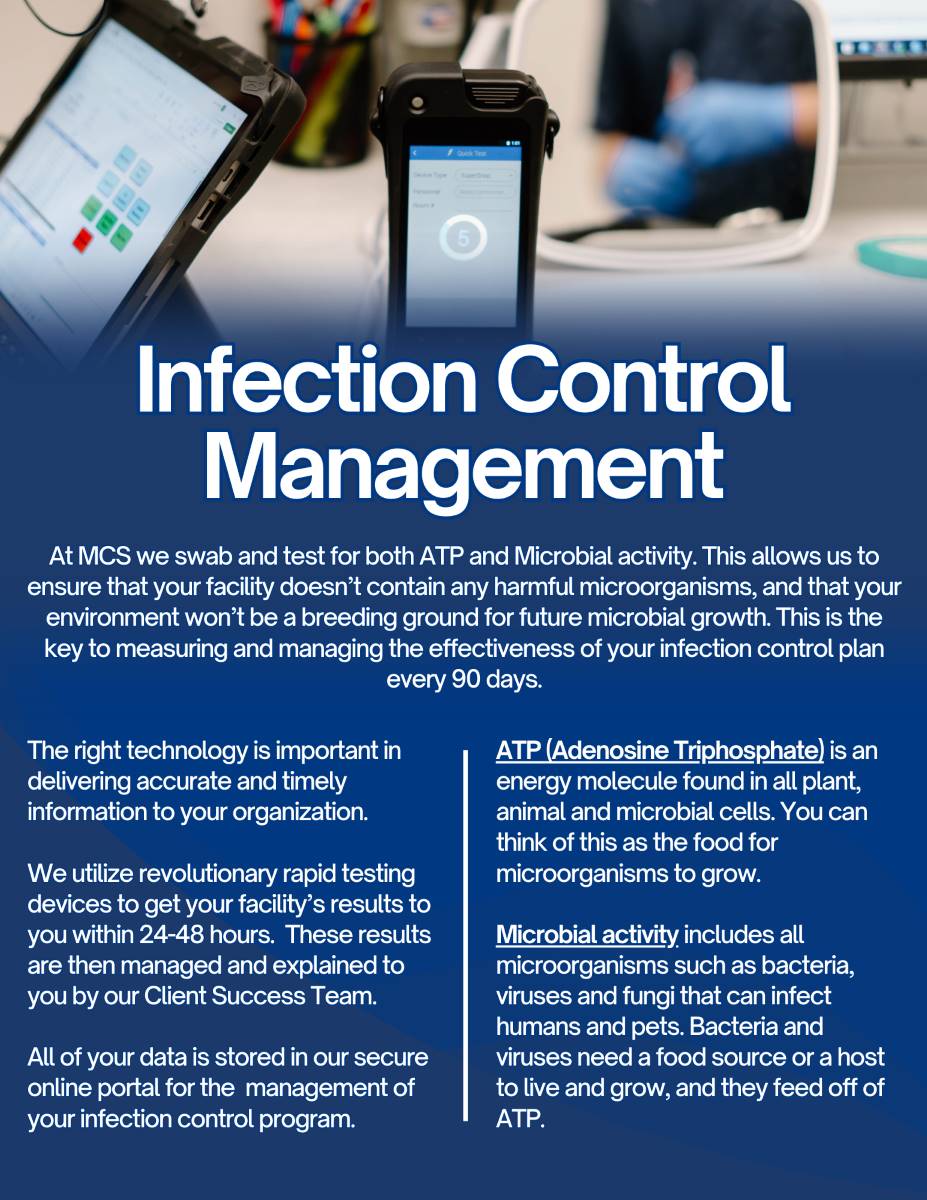
- Spore testing logged on schedule, with results recorded when the test is done, not pieced together later.
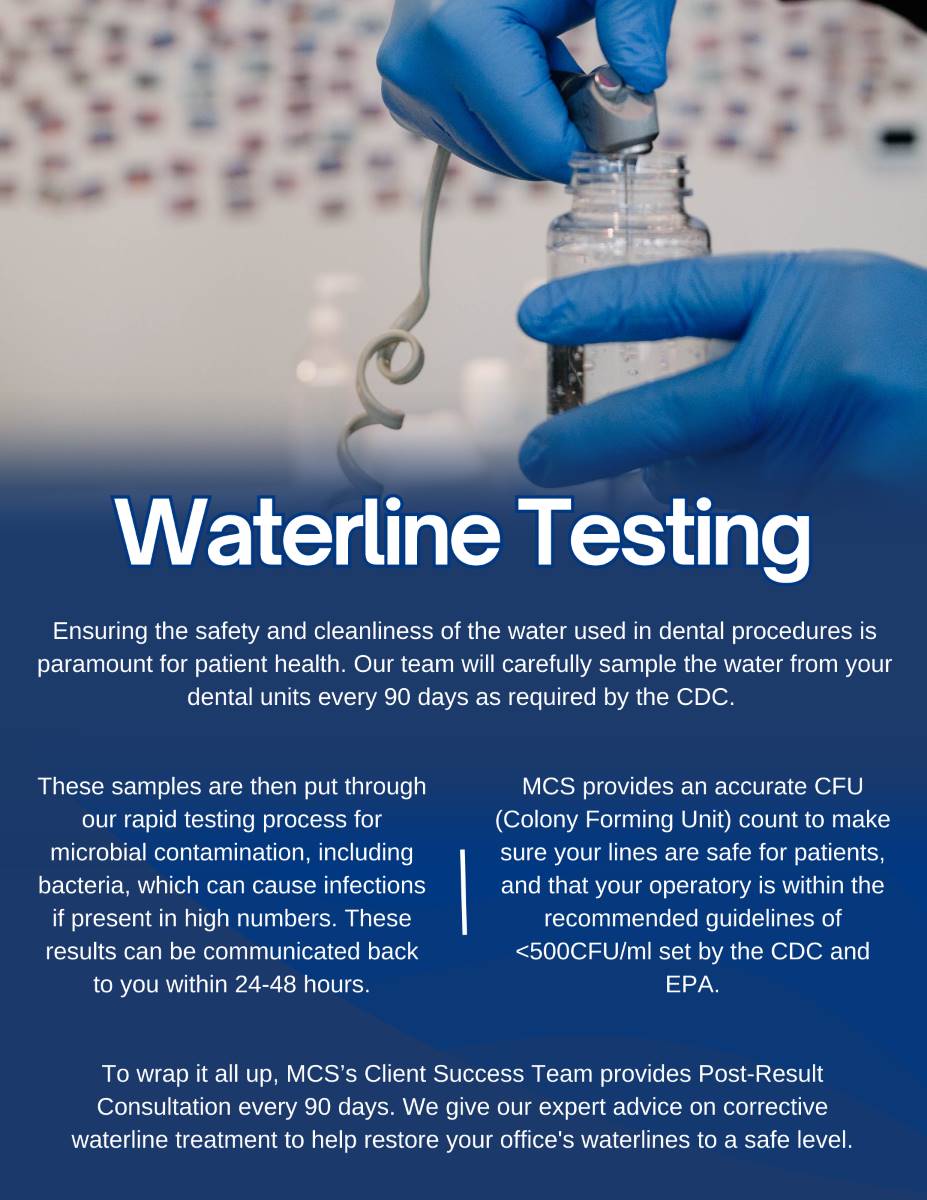
- Waterline testing on a calendar, with results and any corrective actions written down.
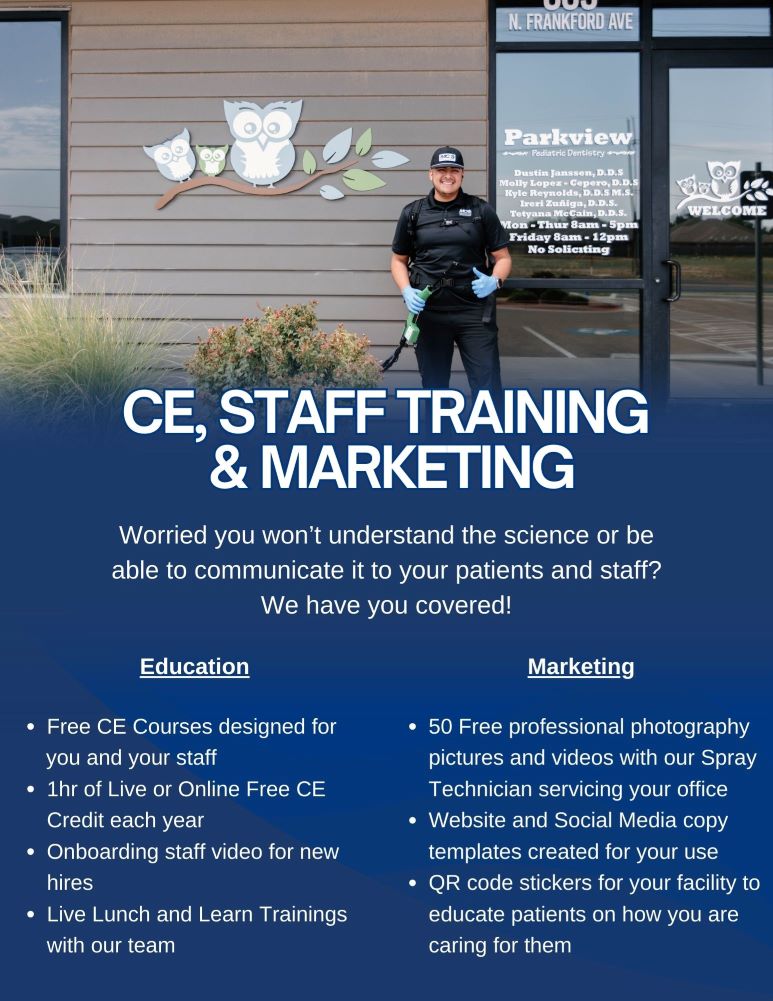
- Up-to-date training records for everyone on your team, including OSHA bloodborne pathogens training for new hires, not just your long-timers.
- Written sterilization protocols your staff has actually been trained on, and that match what really happens in the operatory.
- Regular checks for expired materials in treatment rooms and storage areas.
None of this is complicated on its own. The hard part is staying consistent. Gaps tend to open up during a busy week, a staffing change, or a new hire’s first month, and without some kind of internal review, nobody notices until someone from the outside does.
If you’re running a DSO or a multi-location group, the stakes go up. Things vary from site to site, and one finding at one location can turn into a reputation problem for the whole organization. Since state oversight is mostly complaint-driven, your only early warning system is the one you build yourself: regular internal audits, standardized logs across locations, and someone who’s responsible for reviewing them.
A Simple Self-Check
The uncomfortable truth here isn’t that two Colorado dentists made mistakes. It’s that the system meant to catch those mistakes is a lot thinner than most patients, and most practice owners, realize.
So here’s a question worth asking yourself: if a patient complaint triggered a surprise inspection tomorrow, could your team pull your spore testing logs, waterline records, and training files within the hour? If your answer is anything short of a confident yes, it’s better to find out now, while it’s still an internal conversation and not a board finding.
Ready for a Second Set of Eyes?
Sometimes it helps to have someone else take a look. MCS offers compliance checks for individual practices and multi-location DSOs. We’ll go through the same documentation an inspector would ask for, flag any gaps before they turn into findings, and help you put a system in place that keeps you audit-ready all year long.
About MCS
MCS is a leader in infection control solutions, dedicated to helping healthcare environments create safer spaces for patients and staff. With a focus on evidence-based products, proven protocols, and hands-on expertise, MCS provides practical solutions that ensure regulatory compliance while reducing the risks of healthcare-associated infections. The company partners with practices to simplify infection control and deliver peace of mind. Explore how to upgrade your infection control strategy today. Contact MCS at info@mcsteams.com.